



Wondering which type of braces is right for you or your child? At New Braunfels Braces, we offer three proven orthodontic options: traditional metal braces, tooth-colored ceramic braces, and Invisalign clear aligners. Each straightens teeth effectively — the best choice comes down to your specific case, your lifestyle, and your budget. Below, we break down exactly how each option works, who it’s best for, and how they compare, so you can walk into your consultation already informed.
As your New Braunfels orthodontists for children and adults, we believe no two smiles are the same — which is why we make sure there’s a perfect option for everyone. Here’s a closer look at each.
types of
metal
braces
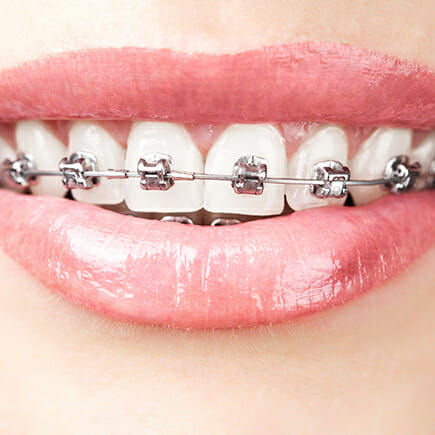
Metal braces are the treatment most people picture — and for good reason. Made of high-grade stainless steel brackets and wires, they’re the most time-tested, reliable, and versatile option available, capable of correcting even the most complex orthodontic problems. If you remember braces as bulky and uncomfortable, today’s version will surprise you: modern metal braces are dramatically smaller, smoother, and more comfortable than those of the past.
Who metal braces are best for
- Children, teens, and adults with any level of alignment or bite correction needed
- Complex cases involving significant crowding, spacing, or bite issues
- Patients who want the most economical option, or who like customizing with colored bands
Metal braces are the workhorse of orthodontics — nothing corrects more, or more predictably.
ceramic
braces
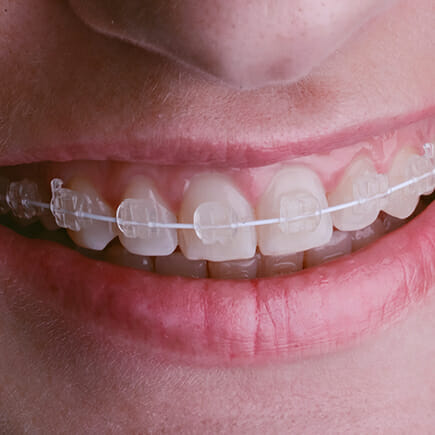
Love what metal braces can do but wish they were less noticeable? Ceramic braces work exactly like metal braces — same brackets-and-wires system, same corrective power — but the brackets are made of a clear, tooth-colored material that blends into your smile. They’re a popular middle ground for image-conscious teens and adults who want an effective fixed appliance without the full metal look.
What to keep in mind
Ceramic brackets are slightly more fragile than metal and typically cost a bit more for the aesthetic benefit. Their clear elastic ties can also pick up staining from coffee, tea, or dark foods between visits — though we replace the ties at each appointment, and choosing a whiter diet helps them stay invisible.
Who ceramic braces are best for
- Teens and adults who want a discreet fixed option
- Patients whose cases suit braces but who are self-conscious about appearance
- Anyone willing to be a little more careful with staining foods and drinks
Invisalign® Clear Aligners
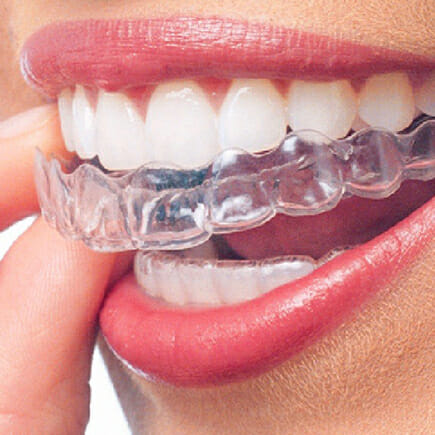
Invisalign® is the clear alternative to traditional braces, using a series of virtually invisible, removable aligner trays to shift your teeth instead of brackets and wires. Each set is custom-generated with advanced 3D computer technology to move your teeth gradually and precisely, and you swap to the next set every week or two. Curious how that works? We explain how clear aligners actually straighten teeth, and what it’s really like to wear them.
The advantages
- Nearly invisible — most people won’t notice you’re in treatment.
- Removable — take them out to eat, brush, and floss normally (no food restrictions).
- Comfortable — smooth plastic with no wires or brackets to irritate your cheeks.
What to keep in mind
Invisalign is ideal for mild to moderate cases, but very complex bite corrections may still be better served by braces. And because the trays are removable, results depend on you: they need to be worn 20–22 hours a day to work. Aligners are especially popular with adults — here are three benefits of adult Invisalign — and there are a few helpful things to know before starting Invisalign. Ask us whether it’s right for you.
braces
Metal Braces vs. Ceramic Braces vs. Invisalign:
Quick Comparison
Not sure how they stack up? Here’s a side-by-side look — and for a deeper dive, see our guide on the difference between braces and aligners:
| Metal Braces | Ceramic Braces | Invisalign Clear Aligners | |
|---|---|---|---|
| Appearance | Most visible | Tooth-colored, subtle | Nearly invisible |
| Best for | All cases, including complex | Most cases; looks matter | Mild to moderate cases |
| Removable | No — fixed | No — fixed | Yes — removable for meals |
| Comfort | Very comfortable today | Comfortable | No wires or brackets |
| Care | Brush around brackets | Avoid staining foods | Clean trays; brush freely |
| Compliance | Always working | Always working | Must wear 20–22 hrs/day |
Which Type of Braces Is Right for You?
The honest answer: it depends on your case first, then your preferences. A quick way to think about it:
- Choose metal braces if you want the most effective, economical option and don’t mind the look — or if your case is complex.
- Choose ceramic braces if you need the power of braces but want them to blend in.
- Choose Invisalign if your case is mild to moderate, appearance matters to you, and you’ll commit to wearing the trays consistently.
The only way to know for certain is a professional evaluation. During your consultation, we’ll assess your teeth and bite, explain which options fit your case, and help you choose with confidence — whether you’re exploring orthodontics for children or orthodontics for adults. Not sure you even need treatment yet? Here are the common signs of misaligned teeth.
Why Choose New Braunfels Braces?
Braces and aligners are only as good as the orthodontist behind them — here’s why an orthodontist beats a general dentist for this kind of care. Our specialists, Dr. Vandeberg and Dr. Alfonso, bring the training and experience to match the right treatment to every smile, and our team makes the whole journey comfortable and clear — from your first visit through your final retainer. We also make treatment affordable with flexible financial and insurance options.
Frequently Asked Questions
About Types of Braces
What are the different types of braces?
The three main options are traditional metal braces (stainless steel brackets and wires), ceramic braces (tooth-colored brackets that blend in), and Invisalign clear aligners (removable, nearly invisible trays). All three straighten teeth effectively; the best choice depends on your case complexity, appearance preferences, and lifestyle.
Are ceramic braces as effective as metal braces?
Yes — ceramic braces use the same brackets-and-wires system and correct the same range of cases as metal braces. The main differences are cosmetic: ceramic brackets are tooth-colored and less visible, but slightly more fragile and a bit more expensive, and their clear ties can stain between visits.
Is Invisalign as good as braces?
For mild to moderate cases, Invisalign can be just as effective as braces — and far more discreet. For complex bite or alignment issues, braces are often the better tool. Because Invisalign trays are removable, success also depends on wearing them 20–22 hours a day. A consultation determines whether your case is a good Invisalign candidate.
How much do braces cost in New Braunfels?
Cost varies by the type of treatment you choose and the complexity of your case, so the accurate number comes from a consultation and exam. We make treatment affordable with payment plans and insurance — see our financial and insurance information and we’ll provide a clear estimate before you commit.
Which type of braces is best for adults?
Many adults prefer ceramic braces or Invisalign for their discretion, but metal braces remain the most effective and economical choice — especially for complex cases. The best option depends on your specific needs and goals, which we’ll review together. Learn more about orthodontics for adults.
How long will I need to wear braces or aligners?
Most treatments take anywhere from 12 to 24 months depending on the complexity of your case and the option you choose. Here’s a fuller look at how long braces take.
Do ceramic braces stain?
The tooth-colored brackets themselves resist staining, but the clear elastic ties that hold the wire can pick up color from coffee, tea, curry, and other dark foods. We replace those ties at every adjustment appointment, so any discoloration is temporary — and easy to minimize with good habits.
Can I switch from braces to Invisalign, or the other way around?
In some cases, yes — treatment plans can sometimes be adjusted, and some patients even use braces and aligners at different stages. It depends entirely on your case and progress. The best approach is to discuss your goals at your consultation so we can plan the right path from the start.